7 Essential Steps to Start Trading for Beginners
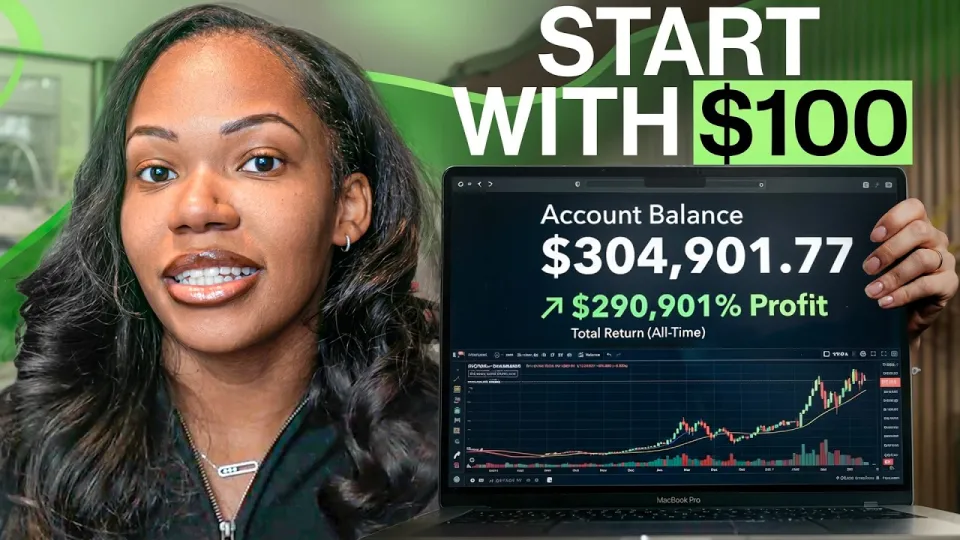
Video: How To Start Trading As A Beginner In 2026 (Step-by-Step)
Need articles like this for your video? They help promote it on YouTube and Google — order them in the Telegram bot @sat_sit_bot. Articles with your video embedded are written and posted by the bot itself — on popular topical sites (no ads). Your first 50 articles are free.
· based on the channel Sierra Aaliyah
Trading is the act of buying and selling financial instruments like stocks, options, or futures to profit from price movements. For beginners, starting trading can seem intimidating, but with the right guidance, you can build a strong foundation. This guide lays out 7 essential steps to start trading effectively and with confidence. For ongoing support and resources, consider joining Crystal Academy’s trading community.
1. Understand What Trading Really Is
Trading is not a get-rich-quick scheme; it is a skill that requires patience, discipline, and education. Unlike investing, which focuses on long-term growth, trading involves short-term buying and selling to capitalize on market volatility. Beginners often misunderstand trading as gambling, but it is a strategic activity based on analysis and risk management.
2. Learn the Basics: Calls, Puts, Options, and Futures
Options trading includes "calls" and "puts". A call option gives you the right to buy an asset at a specific price before expiration, while a put option gives you the right to sell. Futures contracts obligate you to buy or sell an asset at a future date at a predetermined price. Each has unique risk profiles and time commitments; beginners should choose based on their available time and risk tolerance.
3. Start Small and Set Realistic Capital Limits
You don’t need $10,000 to start trading. Starting with $300 to $2,000 is realistic and safer. This limited capital reduces emotional pressure and helps you learn without risking financial hardship. Many successful traders, including Sierra Aaliyah, started with modest amounts and grew their skills gradually.
4. Practice with Paper Trading Before Real Money
Paper trading simulates real trading without risking actual funds. It’s critical to turn $1,000 into $2,000 on paper before using real money. This process helps beginners understand order execution, test strategies, and develop confidence without financial loss.
5. Master Three Core Trading Concepts
Before placing trades, focus on mastering:
- Market Structure: Identify trends, support, and resistance levels.
- Candlestick Reading: Learn how to interpret price action through candlestick charts.
- Trading Psychology: Manage emotions like fear and greed to maintain discipline.
- These fundamentals form the backbone of consistent trading success.
6. Use the Right Tools: Brokers and Charting Platforms
Choosing the right broker and charting platform is essential. Webull is recommended for beginners due to its commission-free trades and ease of use. For charting, TradingView offers intuitive and powerful tools to analyze markets effectively. Familiarize yourself with these platforms and their features.
7. Prepare for Challenges and Avoid Early Quitting
Most beginners quit within the first two months because they lack patience and proper risk management. Expect losses and treat them as learning opportunities. Avoid chasing quick profits and focus on steady growth. Trading requires resilience and continuous learning.
Common Questions and Concerns
Many beginners struggle with understanding charts, managing losses, and finding consistency. It is normal to feel overwhelmed initially. Seeking mentorship, joining supportive communities, and dedicating time daily to study can accelerate your progress. Remember, trading is 90% patience and 10% execution.
Useful Links
- Join Crystal Academy’s Trading Discord for mentorship and resources: https://whop.com/c/crystal-academy/youtube
- Sign up for Webull with bonus free stocks: https://www.webull.com/k/SierraUSA
- Follow Sierra Aaliyah on Instagram: https://www.instagram.com/sierra.aaliyah/
- Follow Sierra Aaliyah on TikTok: https://www.tiktok.com/@sierraxliyah
Conclusion
Starting trading as a beginner involves learning the fundamentals, practicing extensively, and managing your expectations. By following these 7 essential steps, you set yourself up for sustainable success rather than quick losses. Remember to be patient and disciplined, and consider Sierra Aaliyah’s guidance and community for support on your trading journey. For more resources and mentorship, visit Crystal Academy.
Key takeaways
- Start trading with $300 to $2,000, not $10K or more
- Understand calls vs puts and options vs futures
- Use paper trading to practice before risking real money
- Master 3 core concepts: market structure, candlesticks, psychology
- Use Webull as a recommended broker and TradingView for charts
Source: How To Start Trading As A Beginner In 2026 (Step-by-Step) · Markdown version
Questions & answers
Is it necessary to have a large amount of money to start trading?
No, you do not need a large amount to start trading. Starting with $300 to $2,000 is recommended for beginners to limit risk and focus on learning the process.
What is the difference between options and futures trading?
Options give the right but not obligation to buy or sell an asset, while futures are contracts obligating the purchase or sale at a future date. Options allow more flexibility, whereas futures require commitment and are often used for hedging or speculation.
Why do most beginners quit trading within the first two months?
Many beginners quit early due to losses, impatience, and unrealistic expectations. Without proper risk management and psychological discipline, the initial challenges can be discouraging.
How important is paper trading before using real money?
Paper trading is crucial for practicing strategies and understanding market mechanics without risking real capital. It helps build confidence and identify profitable approaches before trading live.